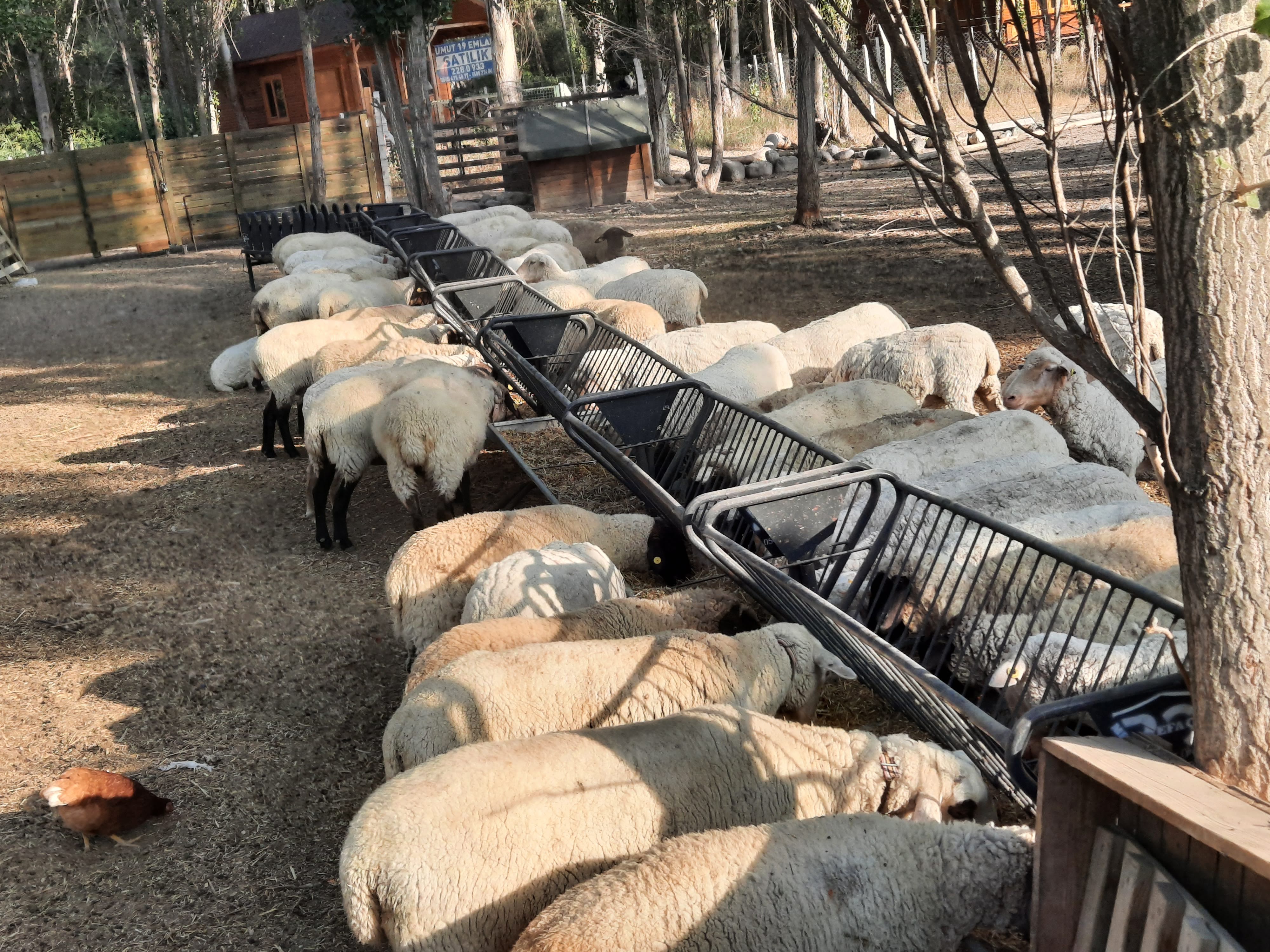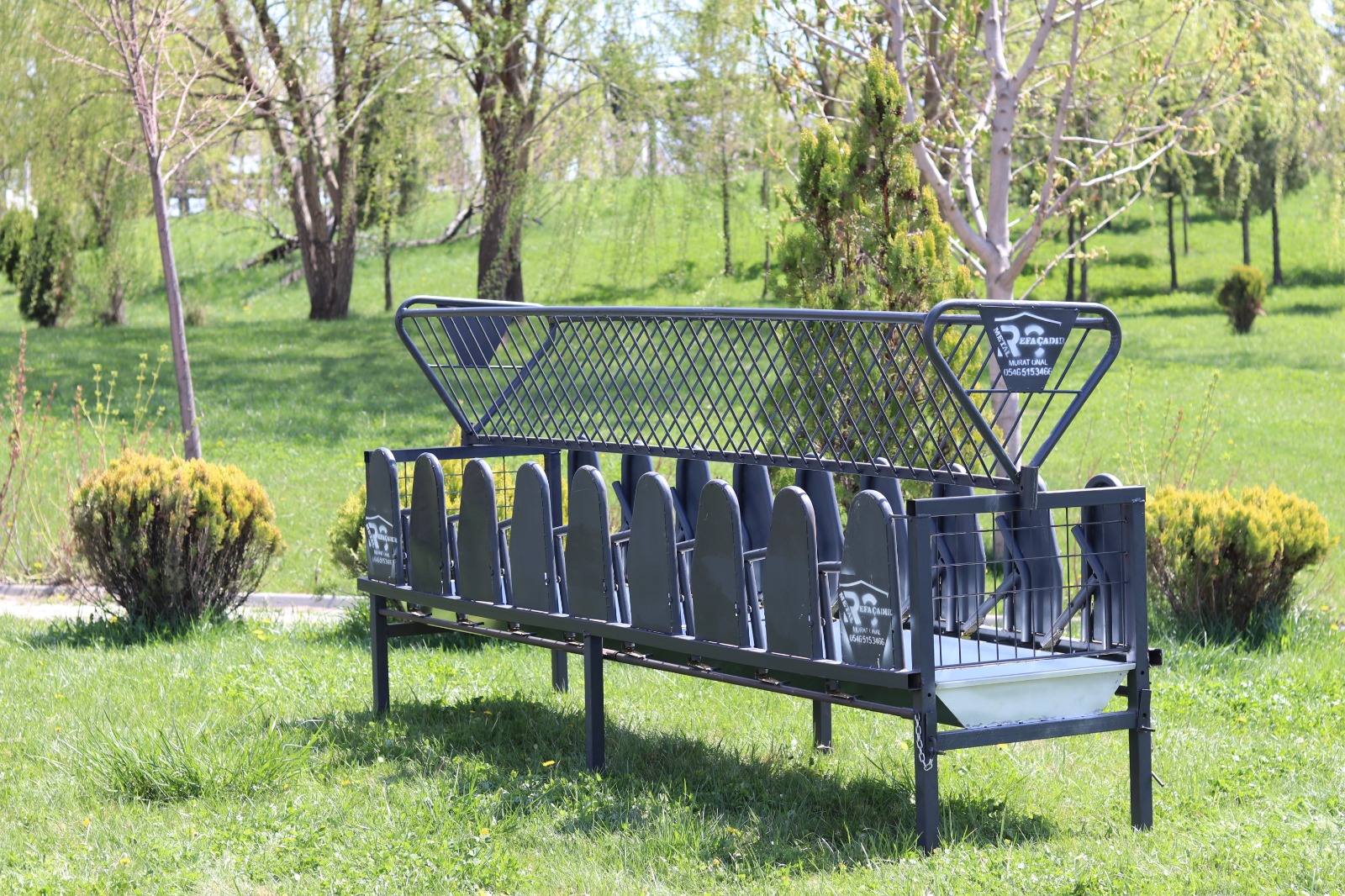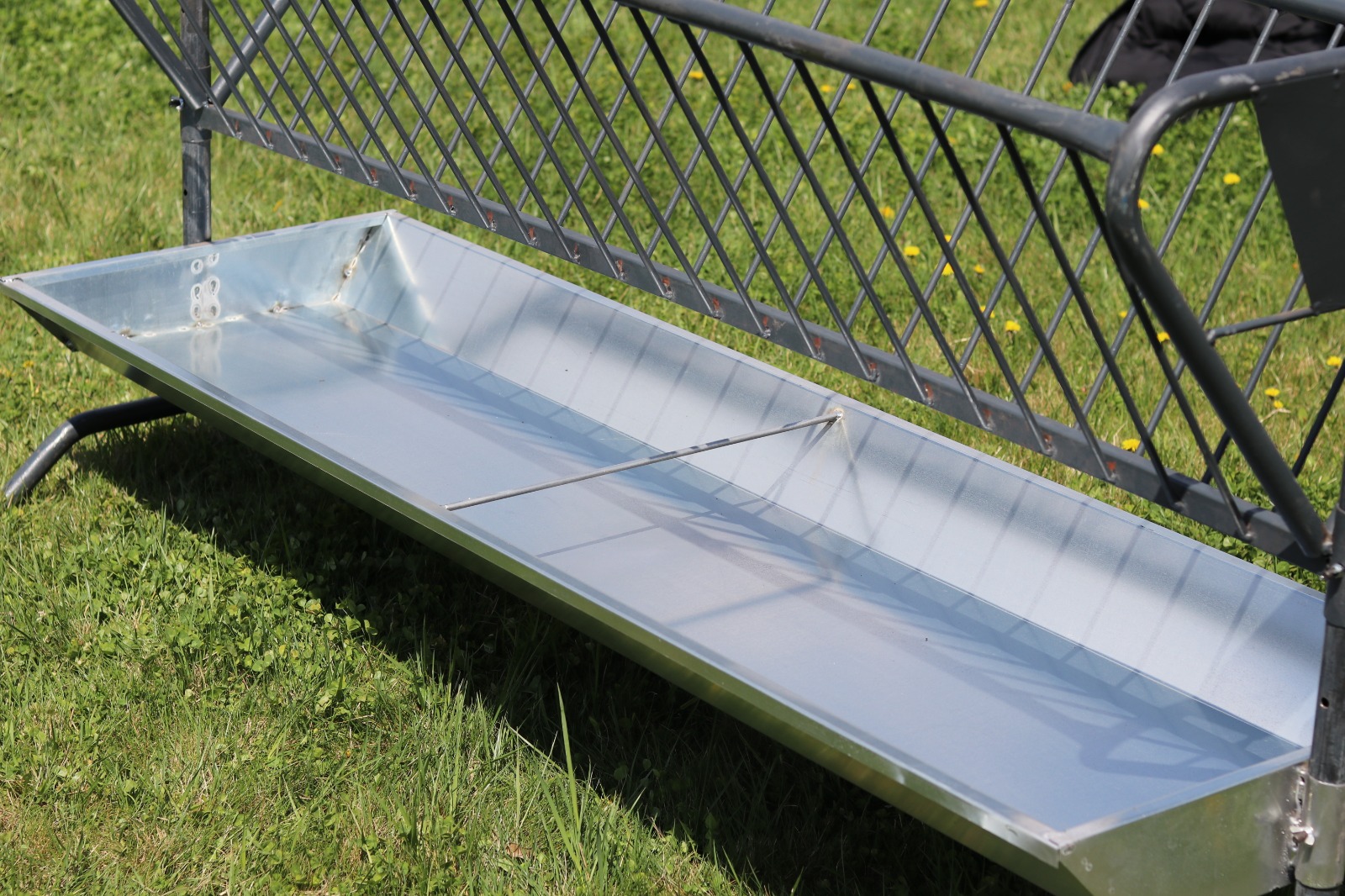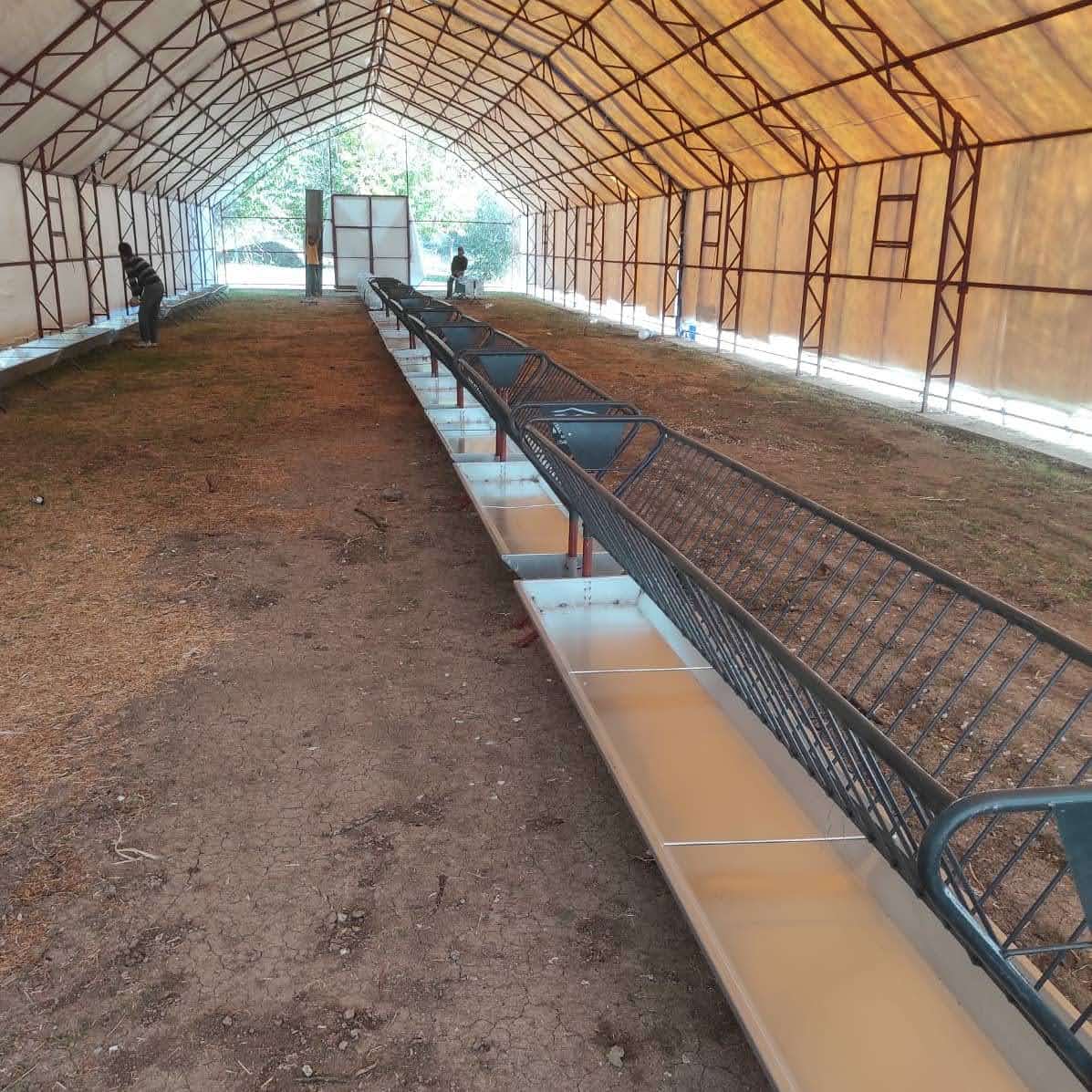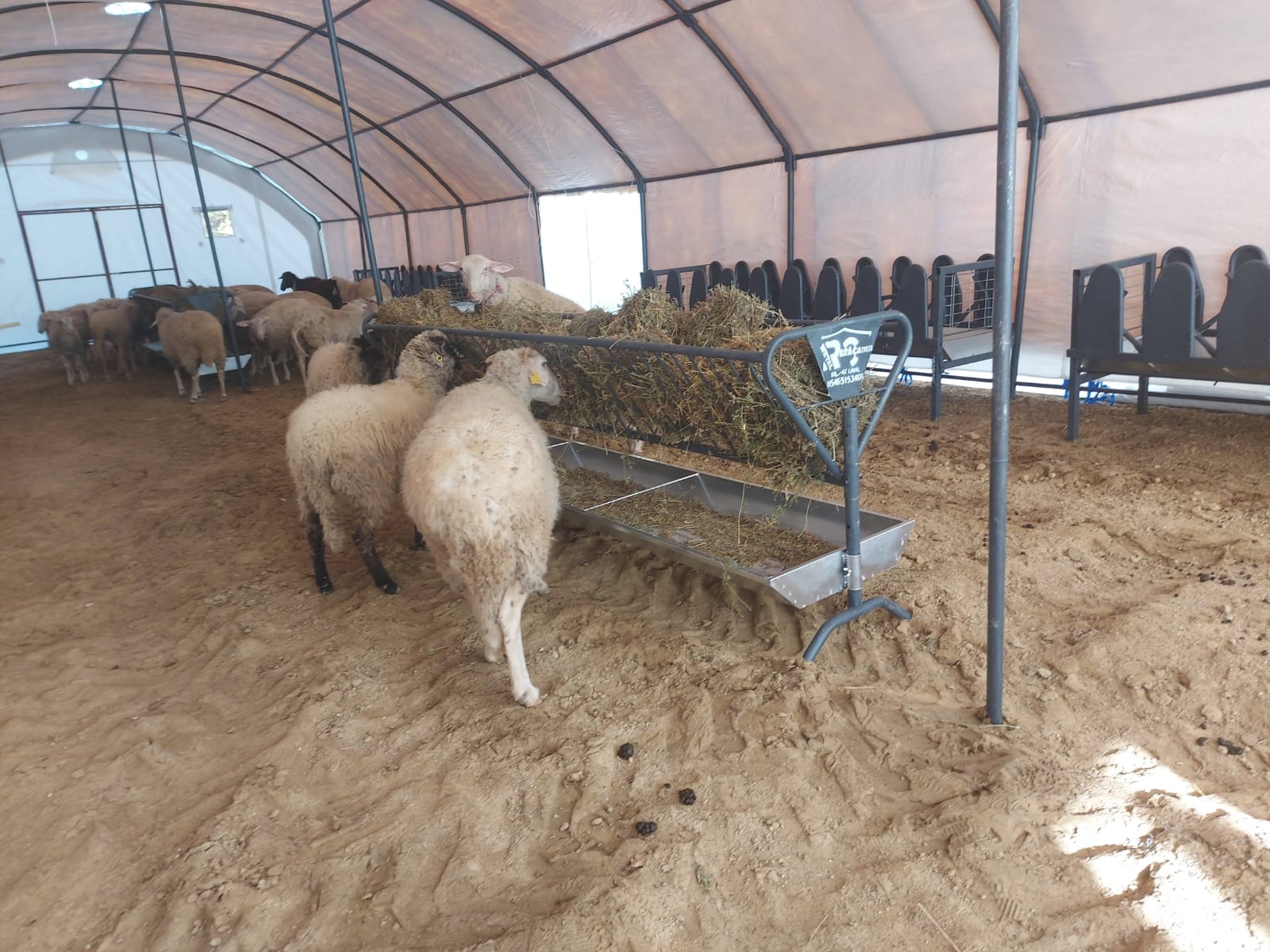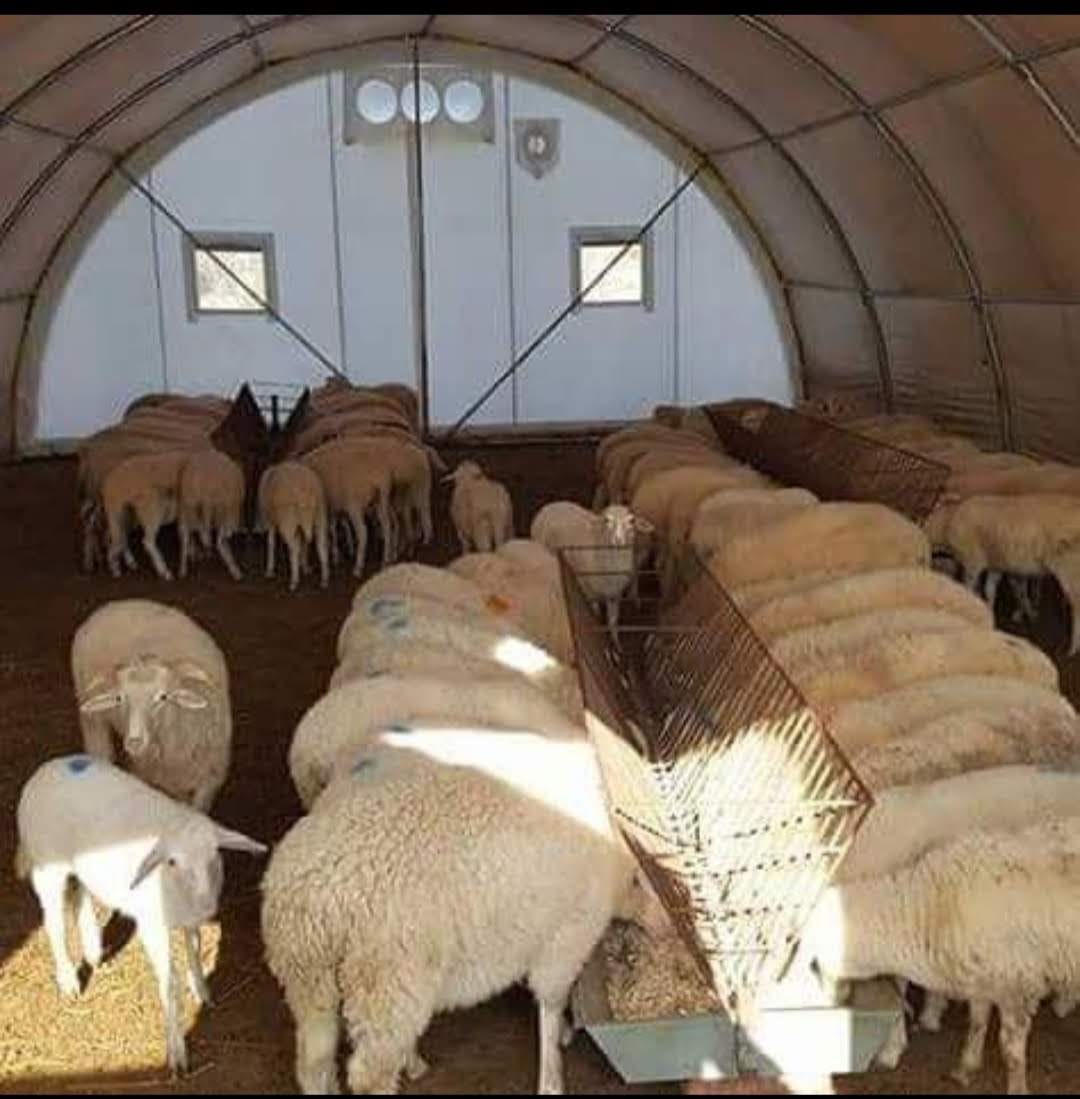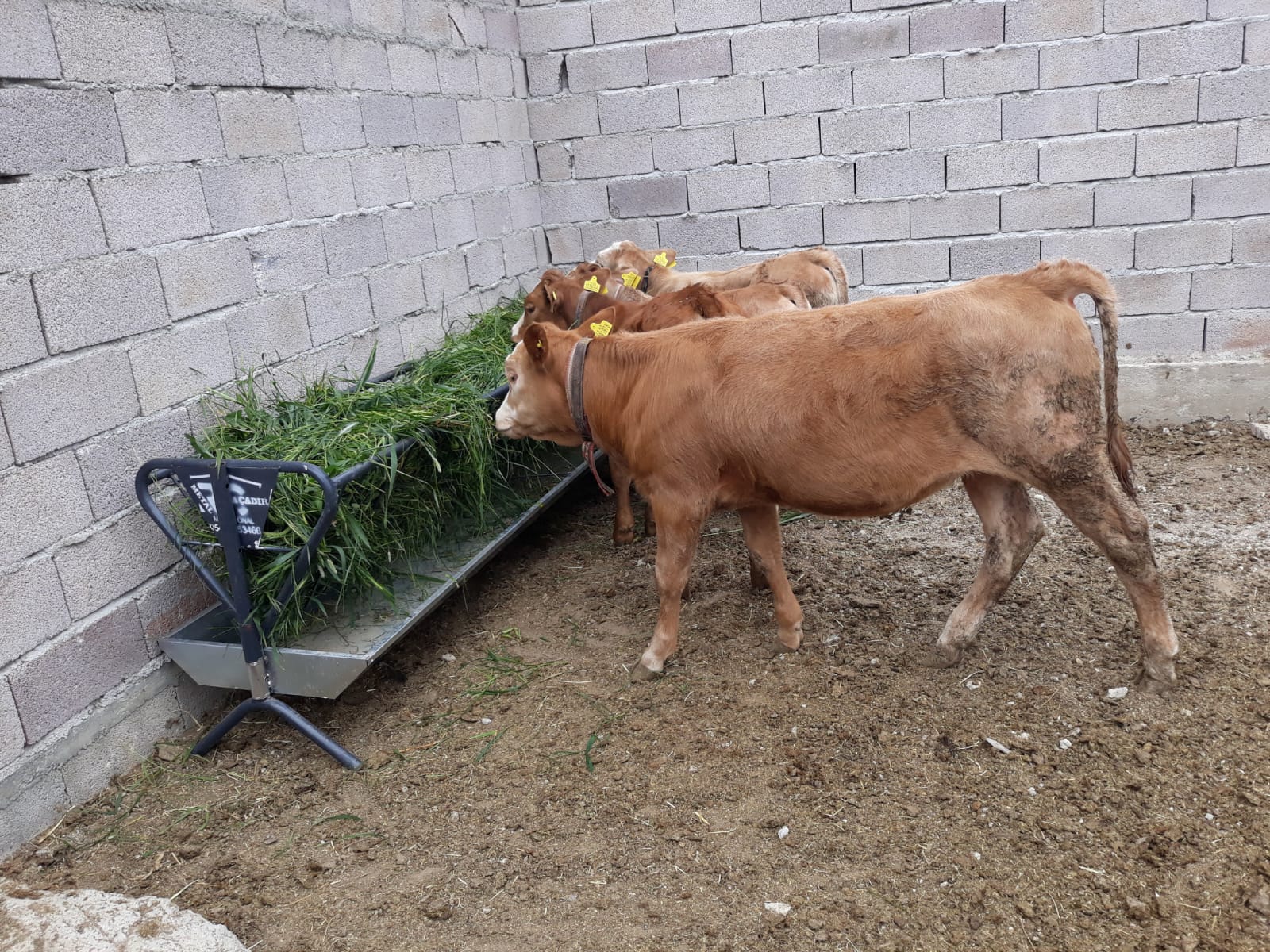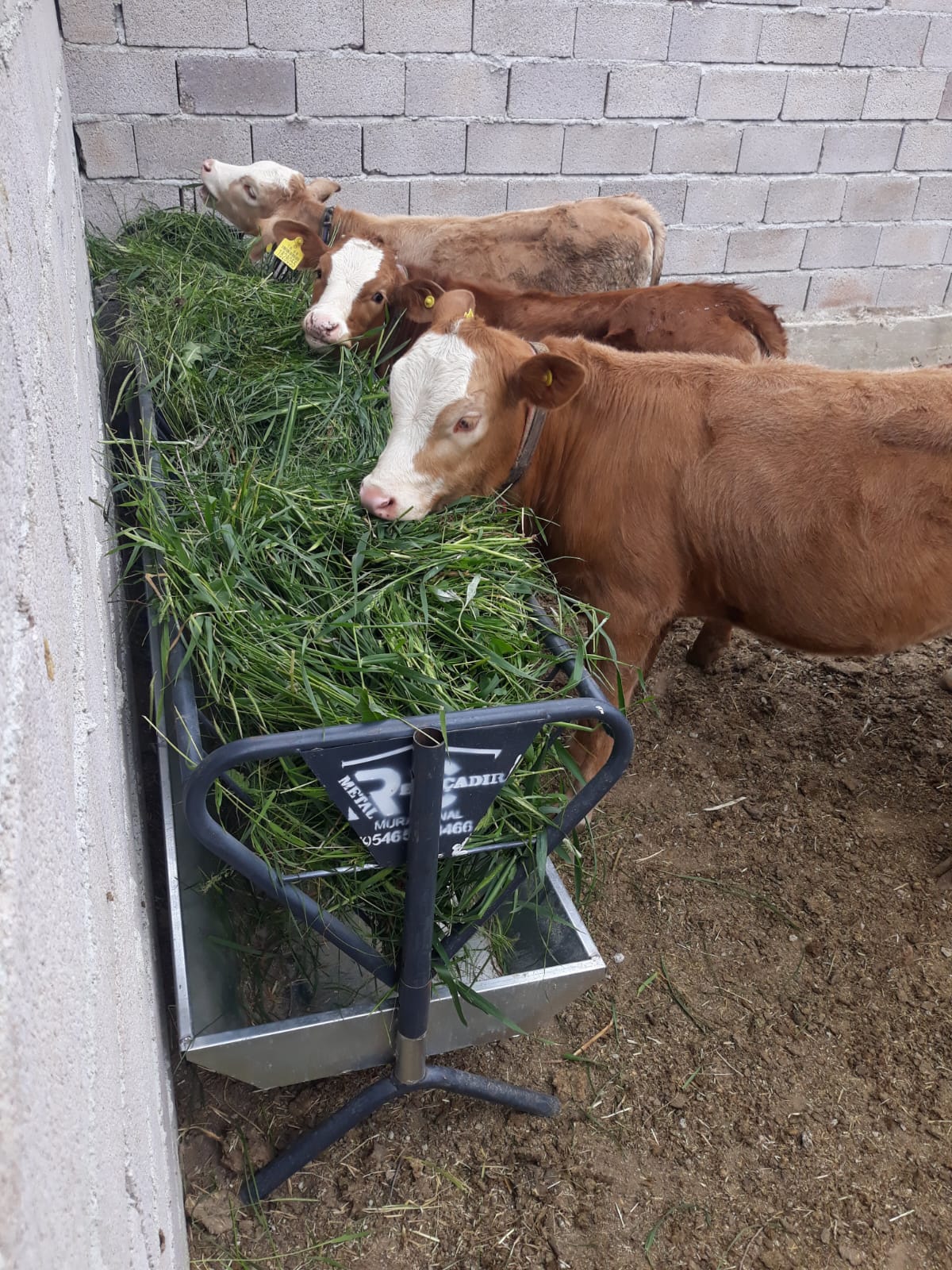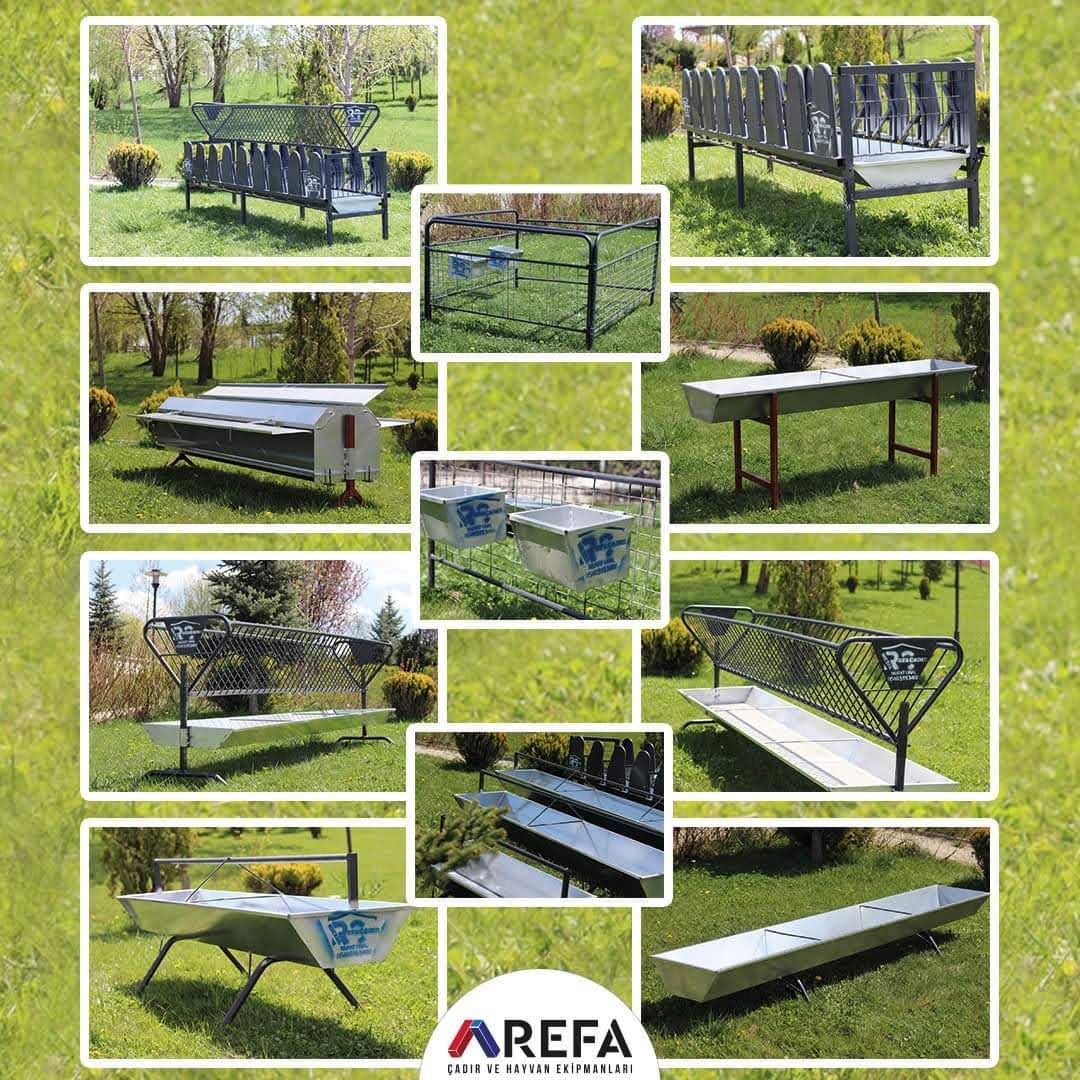


Alfalfa, which has an important place in the nutrition of small ruminants, is known for its high nutritional value and digestibility. Alfalfa is an ideal option to meet the need for roughage and contributes to the healthy growth of animals. However, a correct alfalfa system is needed for alfalfa to be used efficiently.
Alfalfa systems cover the processes of collecting, drying, storing and offering alfalfa to animals. Alfalfa is usually stored dry or as silage. Alfalfa systems are generally used in open areas or closed storage areas to store dry alfalfa. If it is to be stored as silage, it is compressed and turned into spiral bales.
Alfalfa systems play an important role in increasing the quality and productivity of alfalfa. A correct alfalfa system preserves the quality of alfalfa and preserves the nutritional value that animals need for a long time. In addition, alfalfa systems prevent alfalfa from rotting and thus help prevent waste.
Choosing the correct alfalfa system is important for small ruminant farming businesses. A suitable alfalfa system should be determined by considering the size of the farm, amount of alfalfa, climate conditions and other factors. When the right alfalfa system is selected, farms can get maximum yield from alfalfa and ensure that animals are fed healthily.